Food
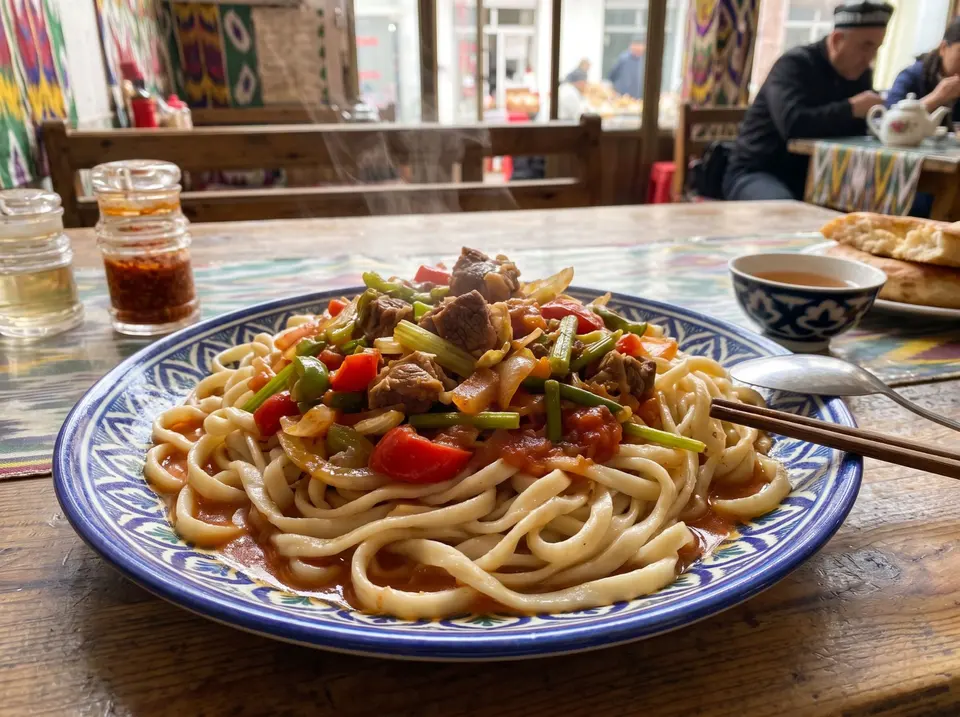
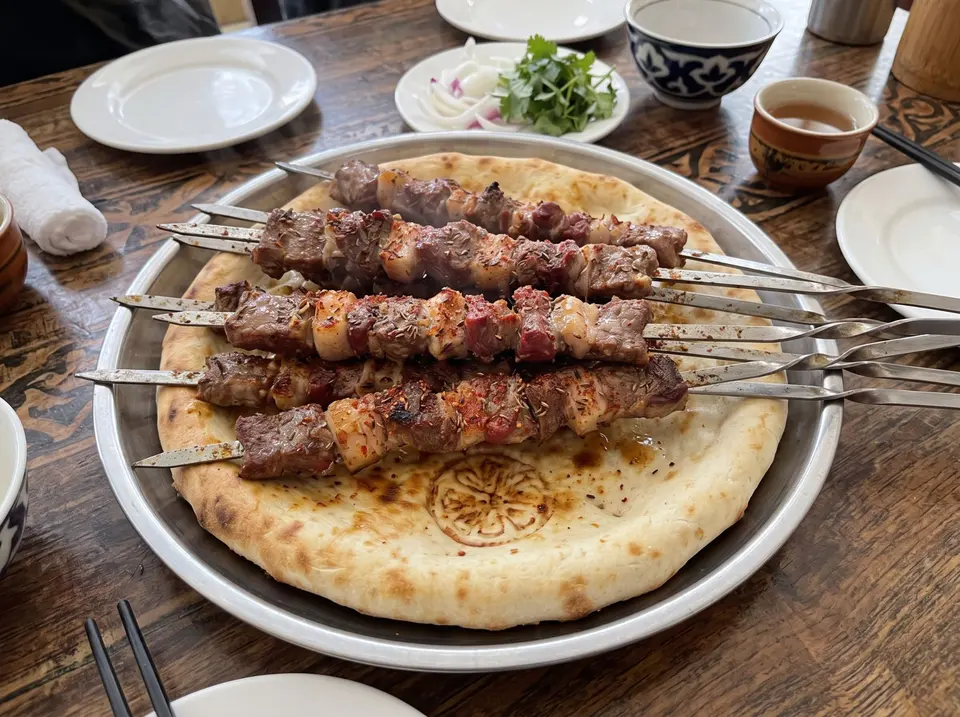
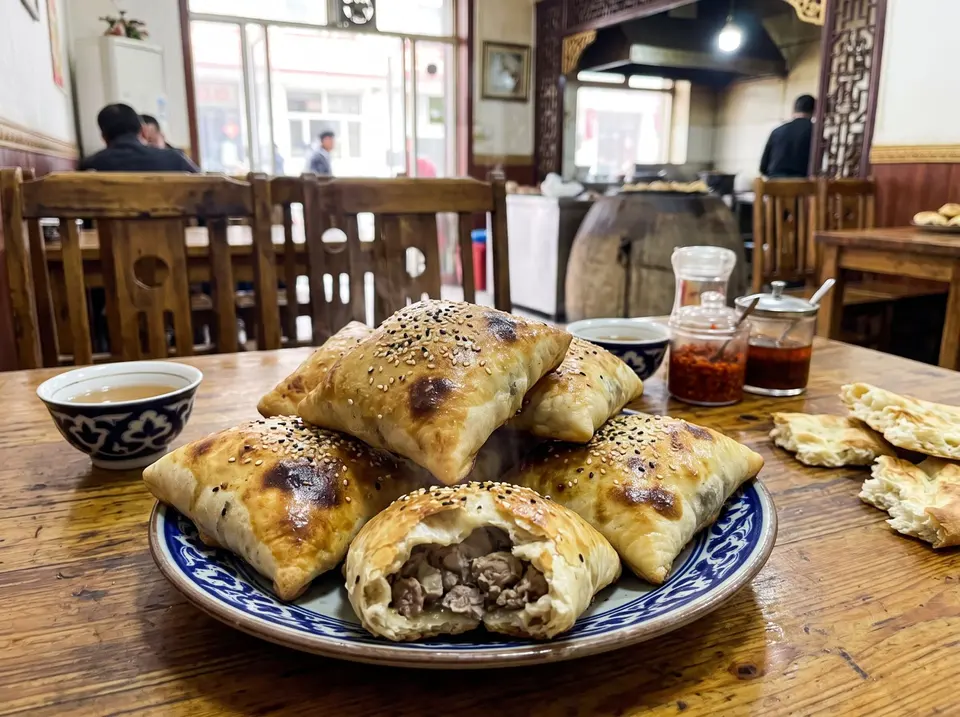
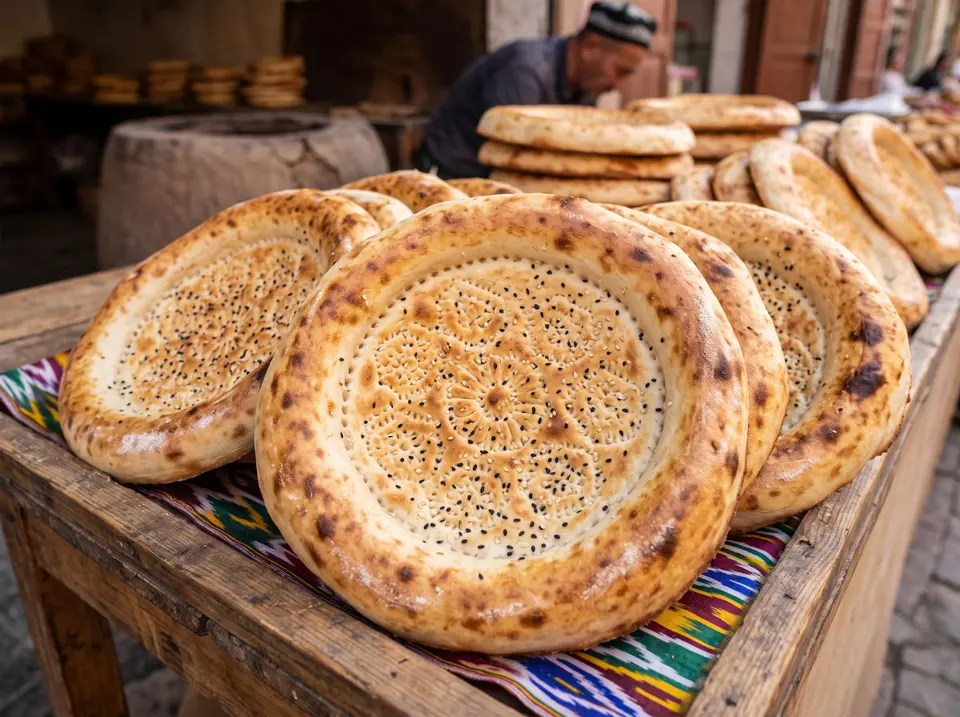
Dishes such as nan, polo, laghman, kawap and samsa.
Highlights.
01The shape of a meal
A Uyghur meal usually combines meat and seasonal vegetables with rice, handmade noodles or nan.
More
Mutton and beef are the most common meats; chicken and goose are also eaten. Most Uyghurs are Muslim, so the food is predominantly halal.
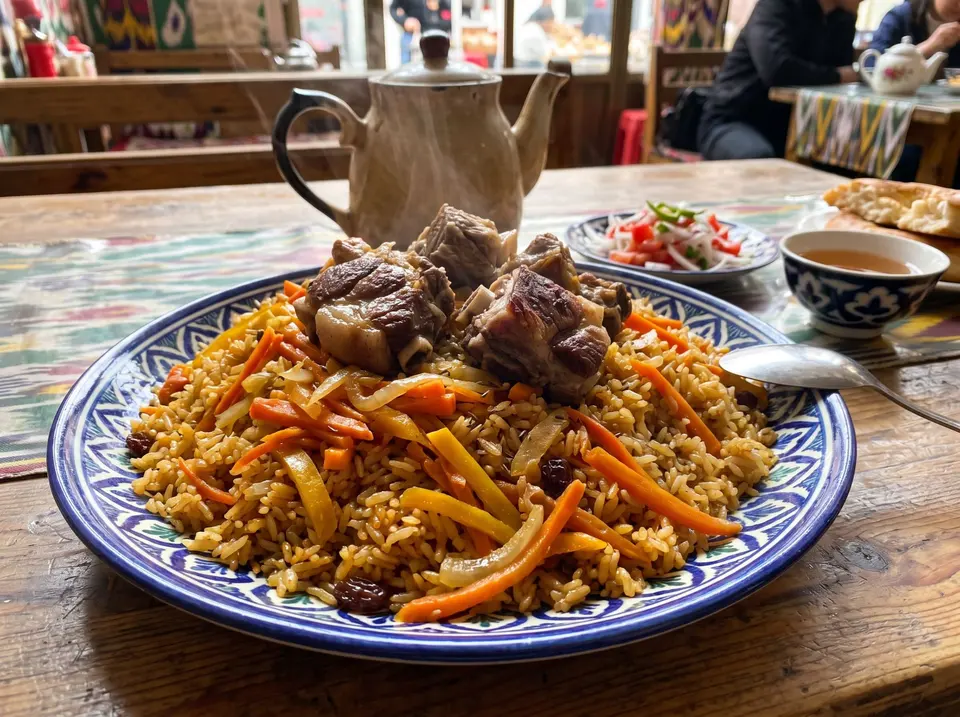
How it is made: the first 2 steps
- 2 tbsp
- 5 cloves
- 3 small pieces
- 1 lb (about 450 g)
- 2 tsp
- 2
- 1 lb (about 450 g)
1. Heat the oil in a large wok or frying pan and fry the garlic and ginger until fragrant.
2. Add the lamb and 1 tsp of the salt, and cook for about 3 minutes until golden brown. Mix in the onions, then add the carrots and cook for about 3 minutes more.
The rest is in the article02Nan and wheat dishes
Nan, a generic term for bread baked from wheat flour, is one of the oldest parts of Uyghur cuisine.
More
Some nan is baked in a deep clay oven called a tunur, and so are samsa, hand-held lamb pies. Laghman, hand-pulled wheat noodles, and polo, a rice dish, are signature dishes too.
03Tea and breakfast
Tea is drunk several times a day, and at least with every meal.
More
Breakfast may be nan and milk tea. A dictionary of the Turkic languages compiled in the 11th century lists 14 kinds of bread made from wheat flour.
Sources (1)
Words of this field
- پولۇpolupilaf; pilau; pulao
- لەڭمەنlengmenlagman (hand-pulled noodles)
- نانnanbread; (sweet) pastry
- سامساsamsasamsa
- كاۋاپkawapyakiniku; roasted meat; grill
- گۈرۈچgürüch(husked grains of) rice
- سەۋزەsewzecarrot (Daucus carota)
- قوي گۆشىqoy göshi
- چايchaytea
- زىرەzirecumin
- كىشمىشkishmishseedless raisins
- ئەتكەنچايetkenchaymilk tea with salt
- سىيادانsiyadanblack cumin
- چىڭسەيchingseycelery
- پىتساpitsapizza
- ئوچاقochaqcooking stove; kamado (a fireplace with a pot set on top)