Culture
Everyday culture through dress and handcraft, from silk ikat to the embroidered doppa cap.
Highlights.
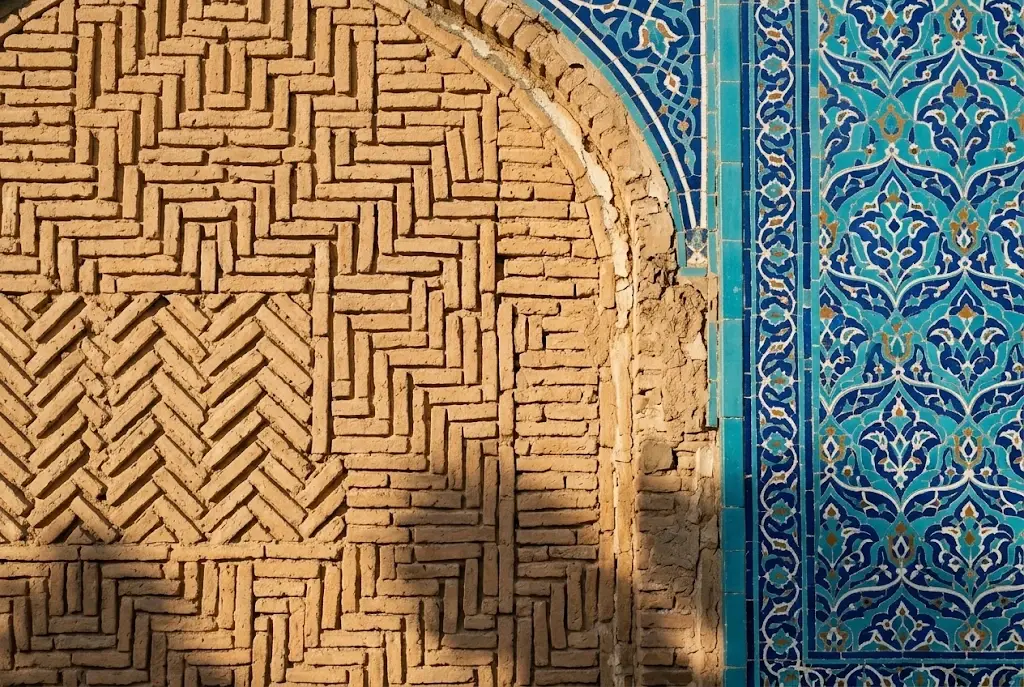
Buildings of brick and tile
The Emin Minaret in Turpan, and a mausoleum and the Id Kah Mosque in Kashgar: three buildings, told through their dates, sizes and materials.
Culture / مېمارچىلىق
Read the article →01Dress and handwork
Etles is a silk ikat traditionally made by the Uyghur and Uzbek peoples. It was made for men’s and women’s clothing and is now also used for soft furnishings and accessories; Hotan and its surrounding towns are among the largest production sites. The doppa is a square or round skullcap decorated with embroidery and beads.
Doppas are worn by men, women and children of all ages. Colours, designs and sizes can indicate the wearer’s gender, hometown and more. The designs draw heavily on the natural world, with leaves, flowers, pomegranates and almonds among them.
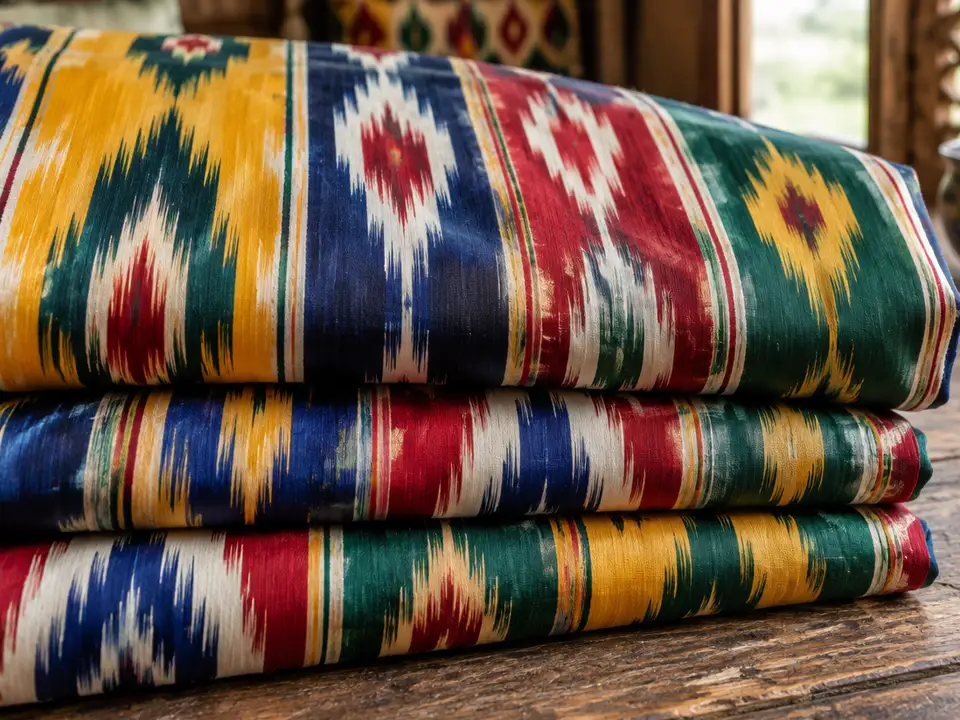 ئەتلەسetlesatlas silk
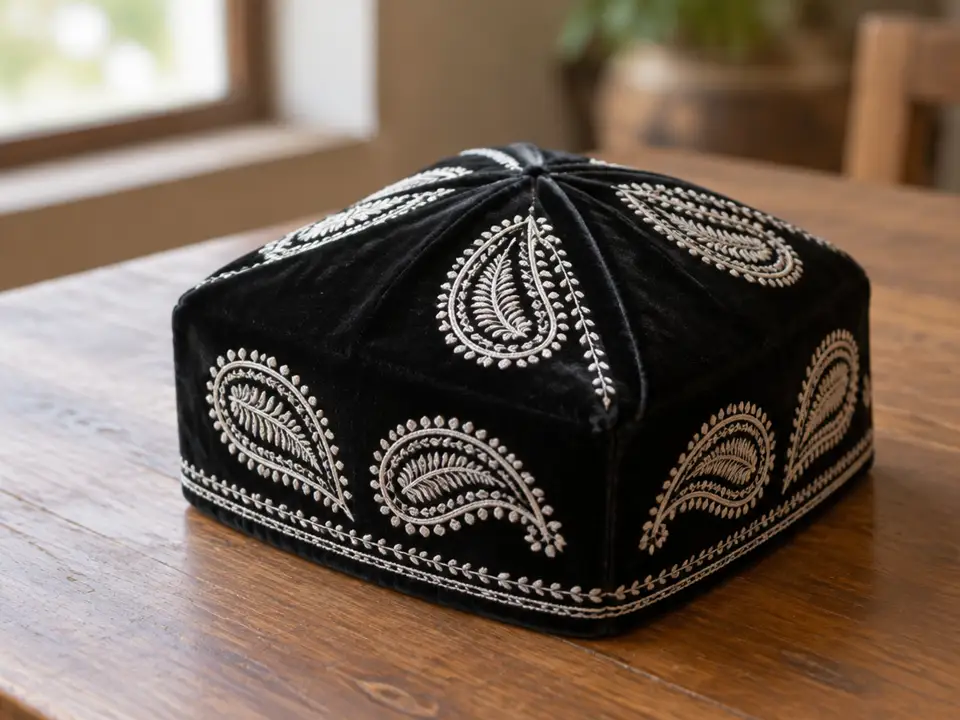 دوپپاdoppadoppa (traditional skullcap)
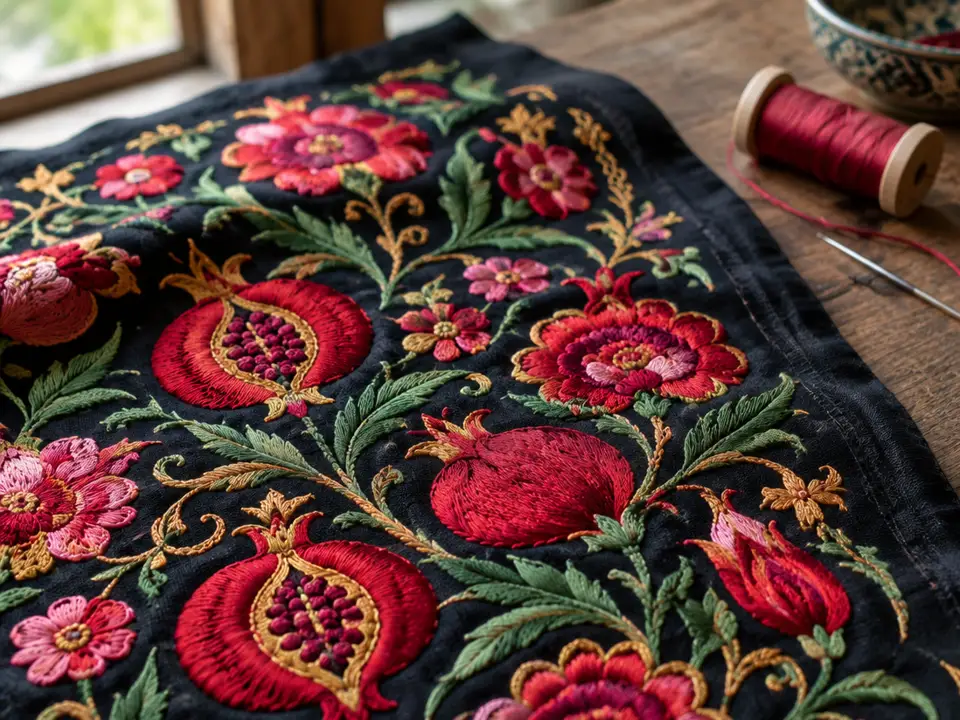 كەشتەkeshteembroidery
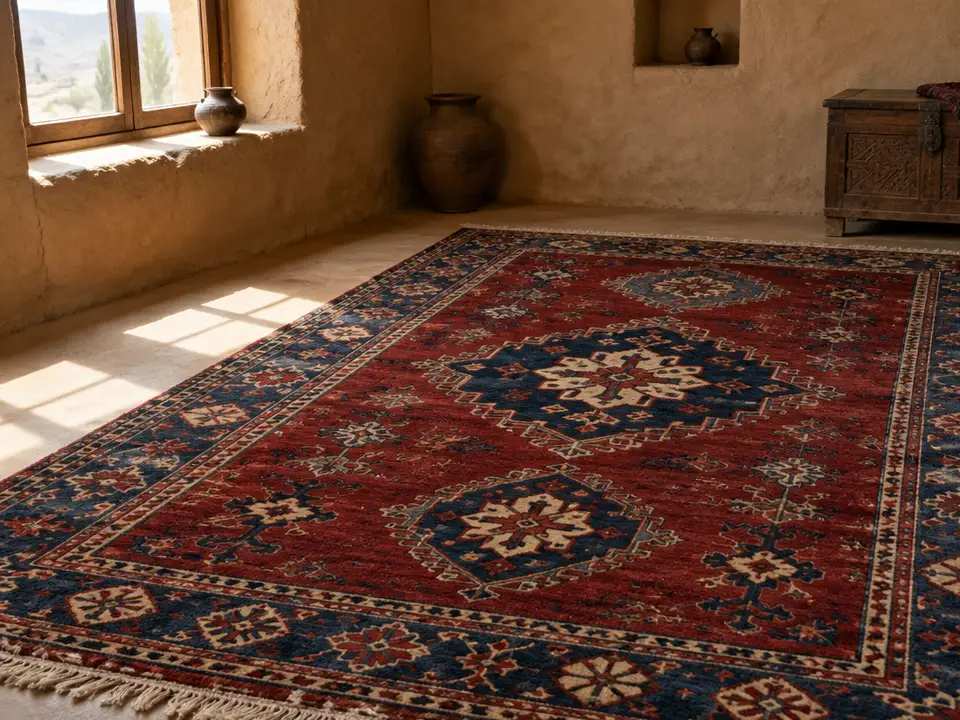 گىلەمgilemcarpet; rug; runner
02Gatherings and the performing arts
A meshrep gathering brings together music, dance, drama, folk arts, acrobatics, oral literature, foodways and games, with muqam as its most comprehensive art form. In 2010 Meshrep was inscribed on UNESCO’s List of Intangible Cultural Heritage in Need of Urgent Safeguarding.
Meshreps were held at harvest time and on occasions such as weddings. An older man led the gathering, and besides songs and dances there were sessions that judged questions of conduct. Participation is not limited to men: people of any age are said to take part by singing, dancing, guessing riddles or playing games.
03Books handed down
Modern Uyghurs consider the literature of the Kara-Khanid period an important part of their literary tradition. Surviving works include Yusuf Khass Hajib’s Kutadgu Bilig (1069–70) and Mahmud al-Kashgari’s Dīwān Lughāt al-Turk.
Words of this field
- ئەتلەسetlesatlas silk
- دوپپاdoppadoppa (traditional skullcap)
- مەشرەپmeshreptraditional gathering
- مېمارچىلىقmémarchiliqconstruction; architecture (of buildings)
- ئەدەبىياتedebiyatliterature
- مۇقامmuqamMuqam
- كەشتەkeshteembroidery
- گىلەمgilemcarpet; rug; runner
- مونچاقmonchaqbeads
- ئانارanarpomegranate
- گۈمبەزgümbez
- جامەjamecongregational mosque, Friday mosque
- مازارmazargraveyard; shrine
- مۇنارmunartower; steeple; spire